Training
Strength after 40.
Not the way you trained at twenty-five. More intent, patient progress, recovery built in.

In short
How should you start strength training after 40?
Start with an honest assessment of how your hips, shoulders and ankles move. Then build two or three sessions a week around five movements: squat, hinge, push, pull and carry. Add weight in small steps, only while your form stays clean, and treat sleep, walking and rest days as part of the training.
Why strength matters more now
Strength is not only for athletes. It is what makes ordinary life feel easy: carrying the shopping up the stairs, lifting a suitcase into the boot, getting up off the floor after playing with the children, walking through a long day without your back complaining. As the years go on, those everyday jobs are exactly the ones you want to keep doing without a second thought.
The encouraging part is that strength responds to training at any age. It may come a little more slowly than it did in your twenties, but it comes — and the habits you build now are the ones you will carry into your fifties, sixties and beyond.
Start with an honest look
Before you add weight to anything, take stock. How do your hips, shoulders and ankles move? Which old injuries still speak up? What does a normal week really look like — desk hours, travel, family, sleep? A good coach starts here, because the right starting point matters more than the perfect programme.
At Structure, that is what the free first visit is for: a coach looks at how you move, talks through your history and goals, and turns it into a starting plan. You leave knowing where to begin, whether or not you join.
A handful of movements, done well
You do not need thirty exercises. Most strong, capable people build their training around a few basic patterns:
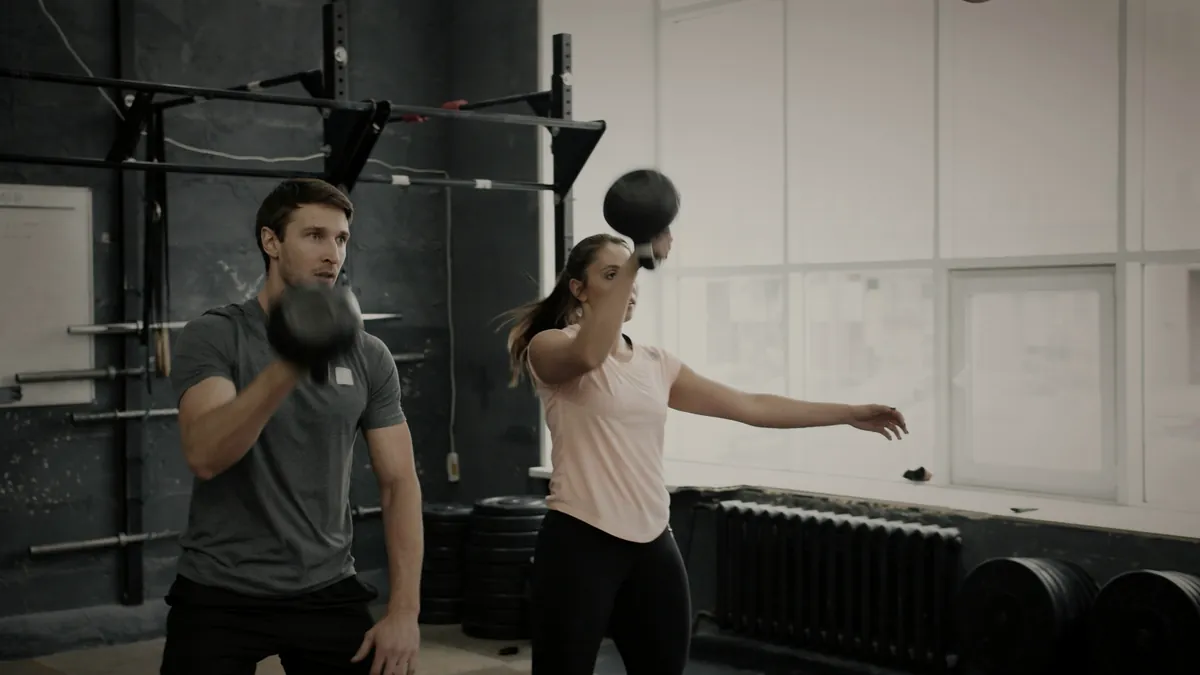
- Squat. A goblet squat, holding a kettlebell or dumbbell at your chest, is a friendly place to start.
- Hinge. A Romanian or kettlebell deadlift teaches you to lift from the hips rather than the lower back.
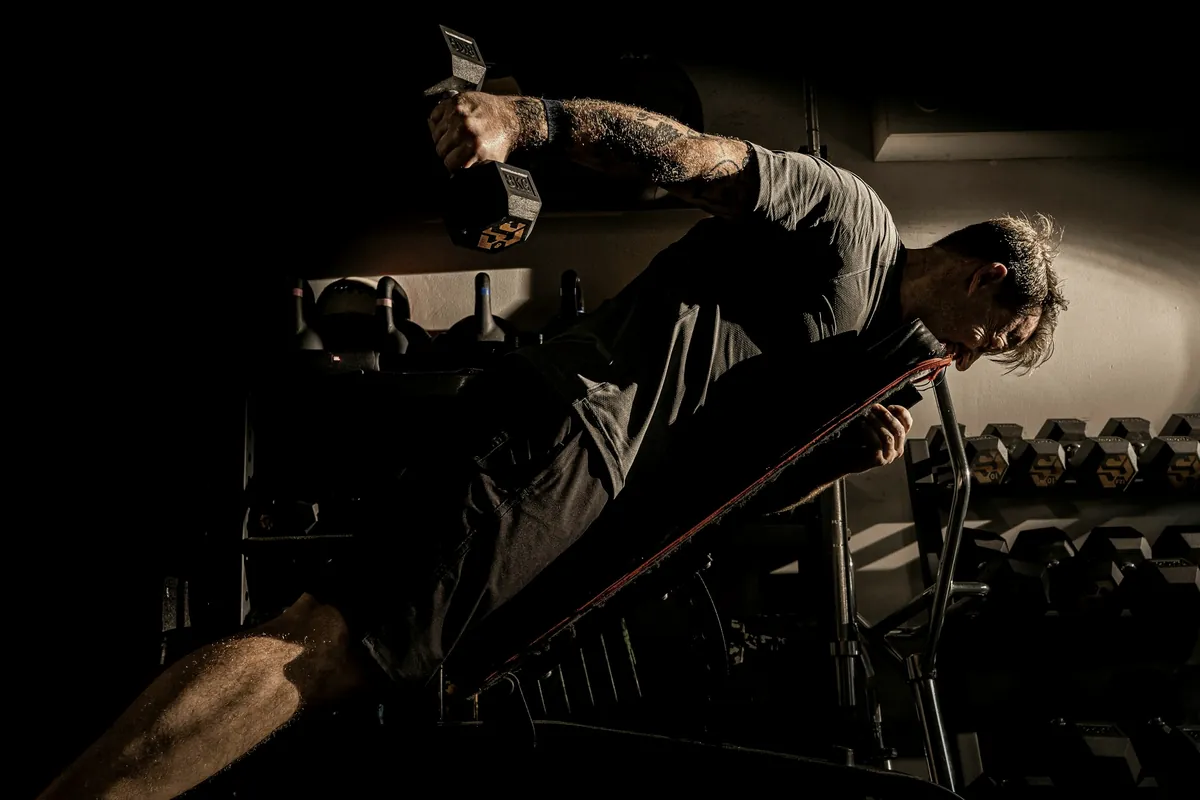
- Push. Press-ups, incline presses or a dumbbell bench press.
- Pull. Rows and pulldowns, to balance all that pushing and all those hours at a desk.
- Carry. Walking with a heavy dumbbell in each hand, tall and steady.
Two or three sessions a week built around these, with a little mobility work on either side, is a complete programme for most people (more on how many days a week to train). Add variety later; master the basics first.
The goal is not to train like you did at twenty-five. It is to still be training, well, at sixty-five.
How many days a week should you train after 40?
For most people starting out, a good week holds two or three strength sessions on days that are not back to back, each comfortably under an hour. A session might be one squat or hinge, one push, one pull and a carry, with a few minutes of mobility at the start and the end.
On the days in between, walk, swim or simply move. Light activity leaves you ready for the next session rather than sore from the last one — and it keeps the habit of showing up alive.
Progress on purpose
The quickest way to stall is to chase a number too early. Add weight in small steps, and only when the last set still looks as clean as the first. Finish most sets feeling you could have done another rep or two. Heavy days have their place, but they belong inside a plan — not on the mornings you simply feel good.
Write your sessions down. A plain notebook of weights and reps tells you, and your coach, far more than memory ever will — and it makes progress visible on the days it does not feel like it.
Recovery is part of the training
Training is the signal; recovery is where you actually get stronger. Protect your sleep, walk on the days you do not lift, and leave a day between hard sessions for the same muscles. Warm up properly, too: a few minutes of easy movement and some lighter sets before your working weight is time well spent.
If a joint aches rather than a muscle, tell your coach. The fix is usually a small change in range, load or exercise — not stopping altogether. The everyday side of it is in eight recovery habits, and the Longevity Floor builds this kind of training around strength, mobility and balance.
Consistency beats intensity
The people who do best are rarely the ones who train hardest in their first month. They are the ones still turning up a year later. Choose a schedule you can keep through busy weeks, travel and Ramadan, and let the results build quietly. Twenty steady sessions will always beat five heroic ones.