Longevity
Red light, without the hype.
A quiet session beside a glowing panel: what it is, what is still unknown, and how to try it sensibly.

In short
What is red light therapy?
Red light therapy is a session in front of a panel of LEDs that give out red and near-infrared light, usually for a few minutes at a set distance. It is not a tanning bed and does not feel hot. People use it for skin and recovery; the research is promising in places but still developing.
Red light therapy, in plain words
The panel, the distance and the minutes are set before you start. You may also see it called photobiomodulation or low-level light therapy. It is not a tanning bed and uses no ultraviolet light. You sit or stand in a warm red glow while the panel runs, and it does not feel hot.
Interest in it has grown quickly, and so have the claims made for it. If you have been asking what red light therapy is and whether it is worth your time, this guide explains what a session is like, where the evidence stands, and how to try red light therapy in Lahore sensibly.
How is red light therapy supposed to work?
The idea is that certain wavelengths of red and near-infrared light pass into the skin and the tissue just beneath it, where they are absorbed by cells and may influence how those cells produce energy. Near-infrared light reaches a little deeper than visible red.
That explanation is plausible and actively researched. What is less clear is how much difference it makes for a healthy person who trains, which devices and doses matter, and how long any effect lasts. Results vary from one device and one protocol to another, which is one reason the research is still developing.
What does a red light session feel like?
Calm, mostly. You sit or stand at the distance you are shown, with your eyes protected, and the panel glows a deep red. There is a gentle warmth on the skin but nothing like the heat of a sauna. Sessions are short, quiet and easy to fit in before or after training, and many people simply find them relaxing.
What can red light therapy do, and what can it not?
People try red light therapy hoping for a few things:
- Skin that looks and feels healthier.
- Muscles that feel less sore after hard training.
- More comfort around stiff joints.
- A calm, quiet few minutes in a busy day.
Some of these have encouraging early research behind them; others rest mainly on personal experience. None of them is guaranteed. It helps to be just as clear about what red light is not:
- Not a treatment for any medical condition.
- Not a weight-loss tool.
- Not a tanning session.
- Not a substitute for sleep, good food and steady training.
Red light is something you might enjoy. Build your training on the things you can depend on.
Is red light therapy the same as an infrared sauna?
No, although the names cause confusion. An infrared sauna is a heated cabin: infrared heaters warm your body until you sweat. A red light panel gives out light, with only a gentle warmth. If you have been looking for an infrared sauna in Lahore, it helps to know the difference before you book anything:
| Tool | What it is | What it feels like | Typical session |
|---|---|---|---|
| Red light therapy | An LED panel giving out red and near-infrared light | A warm glow, not hot | Short; time and distance set by staff |
| Infrared sauna | A cabin warmed by infrared heaters | Warm and sweaty, gentler than a traditional sauna | 45 to 60°C for 20 to 30 minutes |
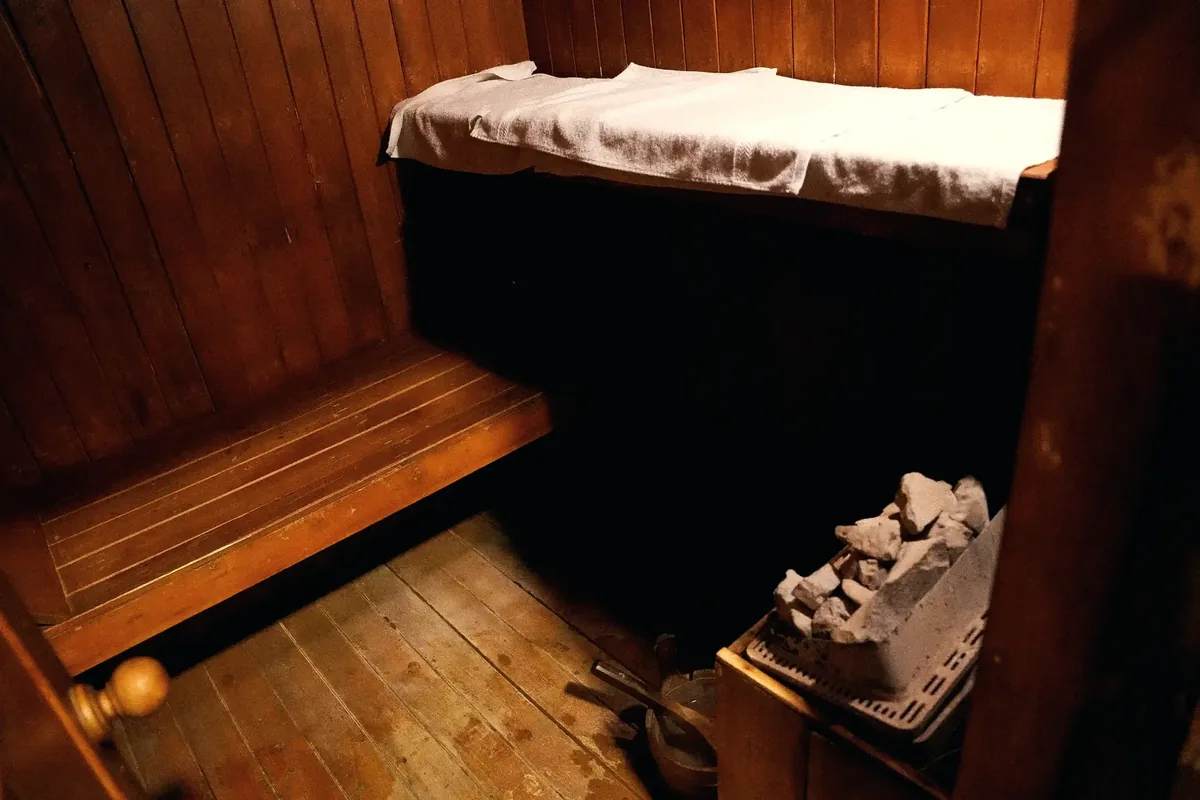
| Traditional sauna | A room heated by hot air and stones | Intense, dry heat | 80 to 95°C for 10 to 15 minutes |
The sauna figures are typical guidance for healthy adults; your coach sets your own. Heat and cold are covered in more depth in our guide to the sauna after a workout and our cold plunge guide.
Is red light therapy safe?
For most healthy adults, a properly run session is low-risk. A few precautions matter all the same:
- Protect your eyes. Wear the goggles you are given and do not stare into the panel.
- Check your medicines. Some medicines, including certain acne medicines and antibiotics, make skin more sensitive to light. If you take any regular medication, ask a doctor or pharmacist first.
- Mention your skin history. A history of skin cancer, or a mole that has changed, is a reason to see a doctor before any light-based session.
- Pregnancy and light-sensitive conditions. If you are pregnant, or light can trigger a condition you have, check with your doctor first.
- More is not better. Longer or more frequent sessions than recommended do not speed anything up.
How often should you use red light therapy?
Consistency matters more than any single session. People who use it tend to do so a few times a week, in short sessions, and judge it over several weeks rather than days. Because panels differ so much in strength, the right time and distance depend on the device itself, so follow the staff’s instructions rather than a number from the internet.
What should you ask before you try red light therapy?
Because devices and protocols vary so much, a few plain questions tell you whether a session is being run with care:
- How long, and how close? There should be a clear answer for this particular panel.
- What protects my eyes? Goggles should be offered every time.
- Is there anything in my health history that matters? A good provider asks about medicines, skin and pregnancy before your first session.
- How will we know if it is worth continuing? Agree in advance what you will judge it on, and over how many weeks.
- Where does it fit in my week? It should fit around your training and sleep.
If the answers are vague, or the promises sound bigger than the ones in this guide, that is worth noticing.
Where can you try red light therapy in Lahore?
At Structure, red light therapy is part of the Longevity Floor, Lahore’s first integrated wellness and recovery floor. It sits alongside a biohacking station for whole-body vibration and grounding, an infrared sauna, a cold plunge, full-spectrum sun-lamp therapy, longevity training led by Anthony McGarr, nutrition consultations and an in-house MBBS doctor, who can answer the medical questions above before you start.
Every Longevity membership begins with a longevity consultation, so red light is fitted into a wider plan rather than tried at random. If you are simply curious about recovery at Structure, start with a free first visit and ask a coach how these tools fit with your training. Plans and add-ons are set out on the membership page.