Longevity
Into the cold plunge.
Minutes of very cold water: what it feels like, what it may do, and how to start safely.

In short
What is a cold plunge?
A cold plunge is a short, deliberate soak in very cold water, typically 3 to 10°C for two to five minutes after a hard session. Many people find it refreshing and say it helps them feel recovered, though the research is still developing. Start short, never alone, and check with a doctor first if you have a heart condition.
Plunge pool or ice bath: is there a difference?
You lower yourself in up to the chest or shoulders and stay for a few minutes at most. You may also hear it called an ice bath or cold water immersion. A dedicated plunge pool holds the water at a set, clean and steady temperature, which makes it far easier to control than a tub of ice at home. So if you have been searching for an ice bath in Lahore, a properly run plunge is usually the safer place to begin.
Cold plunging has become popular with athletes and with people who simply want to feel more awake. Like most popular things, it arrives with big promises attached. This guide sets out what a session is actually like, what it may and may not do, and how to try it without taking silly risks.
What does a cold plunge feel like?
The first thirty seconds or so are the hard part. As the cold hits your skin, most people gasp, start breathing quickly and feel their heart rate jump. This is called the cold shock response, and it is the reason the first rule of the plunge is to go in slowly and breathe out long and steady.
If you stay calm, the breathing settles. Your skin tingles and stings, then the sensation dulls a little and your thoughts become very clear. When you climb out, many people feel a rush of alertness and then a slow, pleasant warmth as the body rewarms. It is intense, but it should never feel like an emergency. If it does, get out.
What can a cold plunge do for you?
People who plunge regularly tend to describe a few things:
- Feeling fresher and less heavy-legged after a hard session.
- A sharp, wide-awake feeling that lasts for a while afterwards.
- A sense of calm once the first shock has passed.
- The quiet satisfaction of doing something difficult on purpose.
Those experiences are real for many people. But the science behind cold water is still developing, and much of what you read online runs well ahead of it. A cold plunge is not a treatment for any condition, and it does not replace sleep, food and sensible training. It is a recovery tool some people enjoy on top of those.
The first thirty seconds are the hard part. Breathe out slowly, and let your body catch up.
Is a cold plunge after a workout a good idea?
A cold plunge after a workout is the most common way to use it, especially after hard conditioning, long runs, matches or a punishing leg day. Typical guidance for healthy adults looks like this, with your coach setting your own protocol:
| Setting | Typical guidance | Good to know |
|---|---|---|
| Water temperature | 3 to 10°C | Colder is not better for a beginner; start at the warmer end |
| Time in the water | 2 to 5 minutes | Your first sessions can be 30 to 60 seconds |
| When | After hard sessions | Keep it away from lifting if building muscle is your goal |
| Afterwards | Warm up gradually | Dry off, put on warm layers and move gently |
One caveat matters if building muscle is your main goal. There is some evidence that regular cold immersion straight after strength training may dull part of the muscle-building response. Many coaches therefore suggest keeping plunges for conditioning days or rest days, or leaving a gap of several hours after lifting. Your coach can set that around your goals.
How do you start cold plunging safely?
- Check first if you need to. If you have a heart condition, high blood pressure, a circulation problem or are pregnant, speak to a doctor before your first plunge.
- Never plunge alone. Have a coach or member of staff nearby, every time.
- Go in slowly, feet first. No diving, no jumping, and keep your head and face above the water.
- Breathe out long and slow. Do not hold your breath, and do not force fast, heavy breathing before or during the plunge.
- Start short. Thirty to sixty seconds is a good first plunge. Add time over several sessions, never all at once.
- Get out early if anything feels wrong. Real numbness, shivering you cannot control, confusion, dizziness or chest pain all mean out, now.
- Warm up gently afterwards. Dry off, dress warmly and walk around. Let your body rewarm at its own pace.
Who should check with a doctor before a cold plunge?
Cold water puts a sudden load on the heart and circulation, so a conversation with a doctor is wise if any of these apply to you:
- A heart condition, or high blood pressure.
- Pregnancy.
- Poor circulation, or fingers and toes that turn white or blue in the cold.
- A recent illness or fever.
- Any other condition or medication you are unsure about.
And on any day, skip it after alcohol, and when you already feel unwell or light-headed.
Is a cold plunge a good idea in the Lahore summer?
In June, nothing sounds better than cold water, and a plunge after a sweaty session can feel wonderful. The same rules still apply, though. The plunge cools your skin for a few minutes; it does not replace the water you lost training, so drink before and after. Do not use it as a way to push through a session in the heat when you feel dizzy or unwell. Stop, cool down calmly and tell a coach. And in winter, when the air is already cold, give yourself a little longer to warm up afterwards.
Cold plunge or sauna: which should you choose?
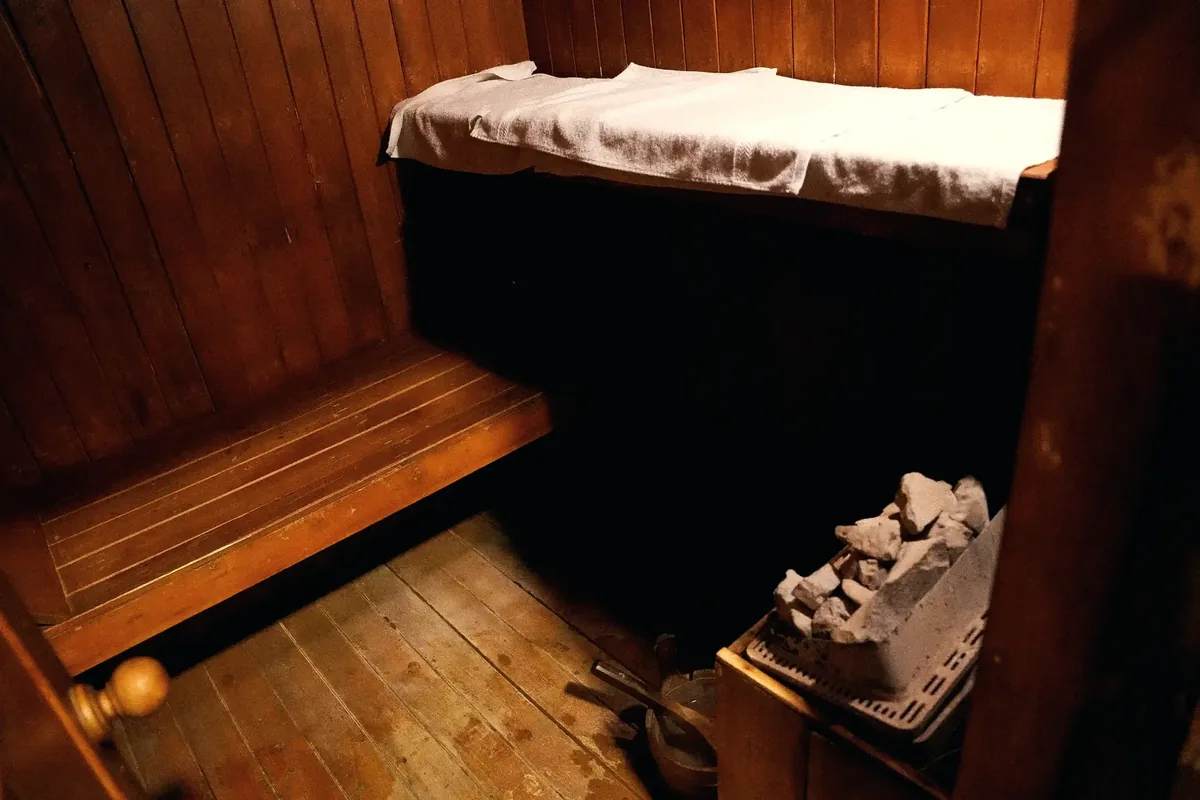
They do opposite things, and many people like both. Heat relaxes you and slows you down; cold wakes you up. Some alternate between the two and finish with whichever leaves them feeling best. If heat is more your style, our guide to the sauna after a workout covers temperatures, timings and safety, and our everyday recovery habits cover the sleep, walking and food that do most of the work.
Where can you try a cold plunge in Lahore?
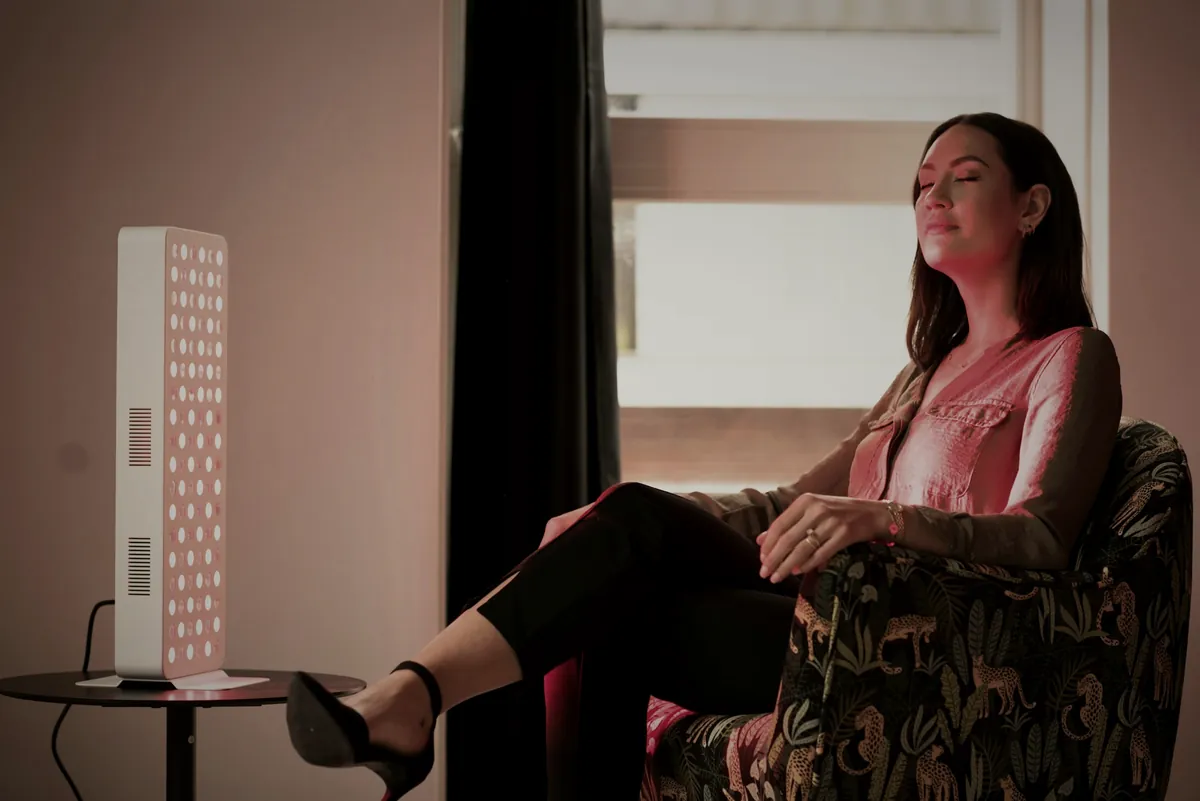
At Structure, the cold plunge sits on the Longevity Floor, Lahore’s first integrated wellness and recovery floor, alongside an infrared sauna, red light therapy, whole-body vibration and an in-house MBBS doctor. Membership starts from PKR 60,000 and begins with a longevity consultation, so your protocol is set around your health and training rather than guessed. The other tools are explained in our guide to red light therapy.
If you would rather start with the basics, our recovery therapies page explains how recovery fits into training at Structure, and a free first visit lets you talk it through with a coach before you commit to anything. That conversation is the sensible first step towards a cold plunge in Lahore.